These Handy Hints sections are offered for emerging writers to use absolutely free of charge and I will add to them from time to time. If you find them useful, I have brought everything I know about the craft of fiction into a book called On Writing. Covering everything from creating plot and place to characters and tension, from how to beat writers’ block and how to translate the author’s personal experience into compelling fiction, from taking in an overview of the opportunities presented to emerging writers by the dramatic changes in the publishing industry and including John’s thoughts on approaching publishers and agents and preparing manuscripts for self-publishing, the book is available in ebook (99p) and paperback £5.00 formats on Amazon. On Writing also has expert contributions from authors, publishers, editors and experts working with literary organisations and builds into a compendium of valuable advice for writers seeking their big breakthrough. You can also hire editing, mentoring and proofing services through John. Details are included in the Editorial Services page on the main menu.
Why a tree can teach authors a salutary lesson
Getting description right
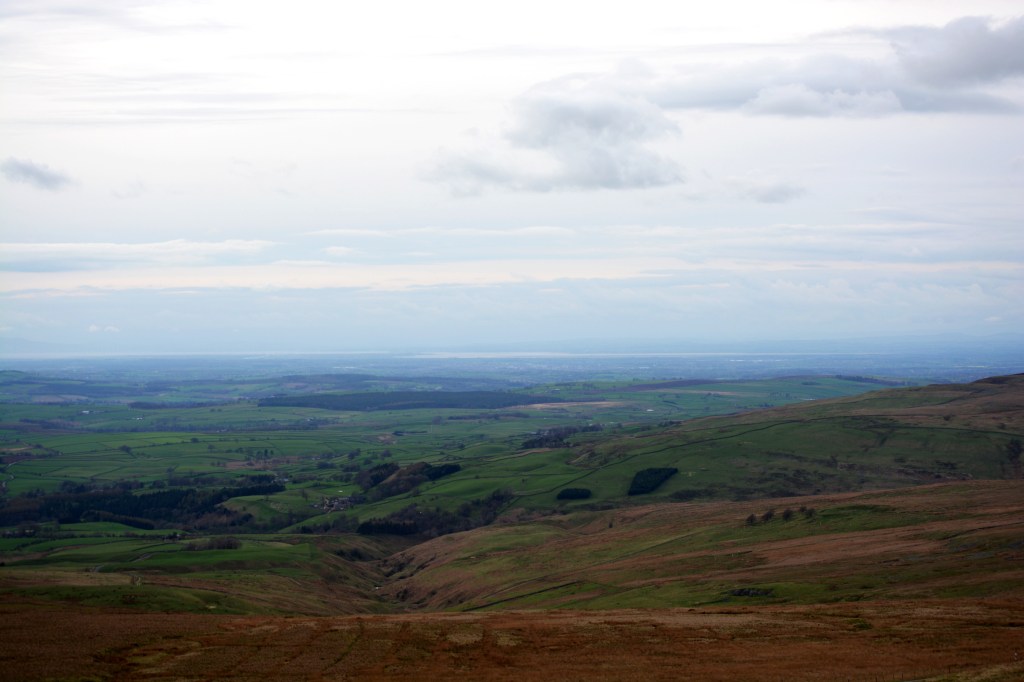
As described in the other articles in this Handy Hints section, creating a powerful sense of place is crucial for authors. So, how do you go about creating it?
Well, I think there are several things you need to do, the first of which is to give the reader enough visual information to create a picture of the place.
There’s a lot of debate among writers about how much description you should use and I can see the argument for being sparing on the details, although having said that, I do agree that done well, longer description can make for compelling reading (to reinforce my point, I recommend that you seek out the work of Scottish crime writer Peter May. The man’s a magician when it comes to describing places and I am happy to read longer passages if it is done so well).
But there is another school of thought, that description of places should be short and sharp, not overdone, and I can see the argument for that as well, particularly if you are a writer who is not that good with description.
Those who argue that shorter is better say that it makes sense to keep your description relatively tight because too much can slow your pace. However, and this is vital, you still need to provide at least some clues. Take a leaf out of flash fiction’s book, identify what you think the most important things are about a place and describe them. Even if you do that sparingly, the reader will build up the place for themselves in their mind because good writing is about triggering a response in the reader, bringing out memories.
For instance, you could spend three paragraphs describing the differing colours and hues of the forest – and it might be wonderful writing to book -but it might be enough just to say that the conifer woodland stretched away into the distance until it gave way to moorland. We all know what a forest looks like and we can all visualise a moor.
If my instinct is correct, in my giving you those two facts you will already have thought of a place you know. So what if you see a different forest than I did when I typed those words? As long as you see a forest what does it matter?
Apart from visual clues a writer needs to go further and use the senses – take the forest, again; one of the most striking sensations is the smell, of the dead and dying undergrowth beneath the canopy perhaps, or maybe of the sound of a stream somewhere through the trees, unseen but heard. Again, two or three fragments of description but I bet you have conjured up a forest you know. And if you haven’t but want to create one – pull on your boots and head out on the forest path with a notebook.
But for me there has to be a third aspect to this and that is what does it feel like to be there? If a normally brave character becomes scared in the forest, for instance, you have told the reader how the place feels and triggered off all sorts of reactions in your reader. You will have made them feel and that’s what you want to achieve.
 John Dean - Crime Writer