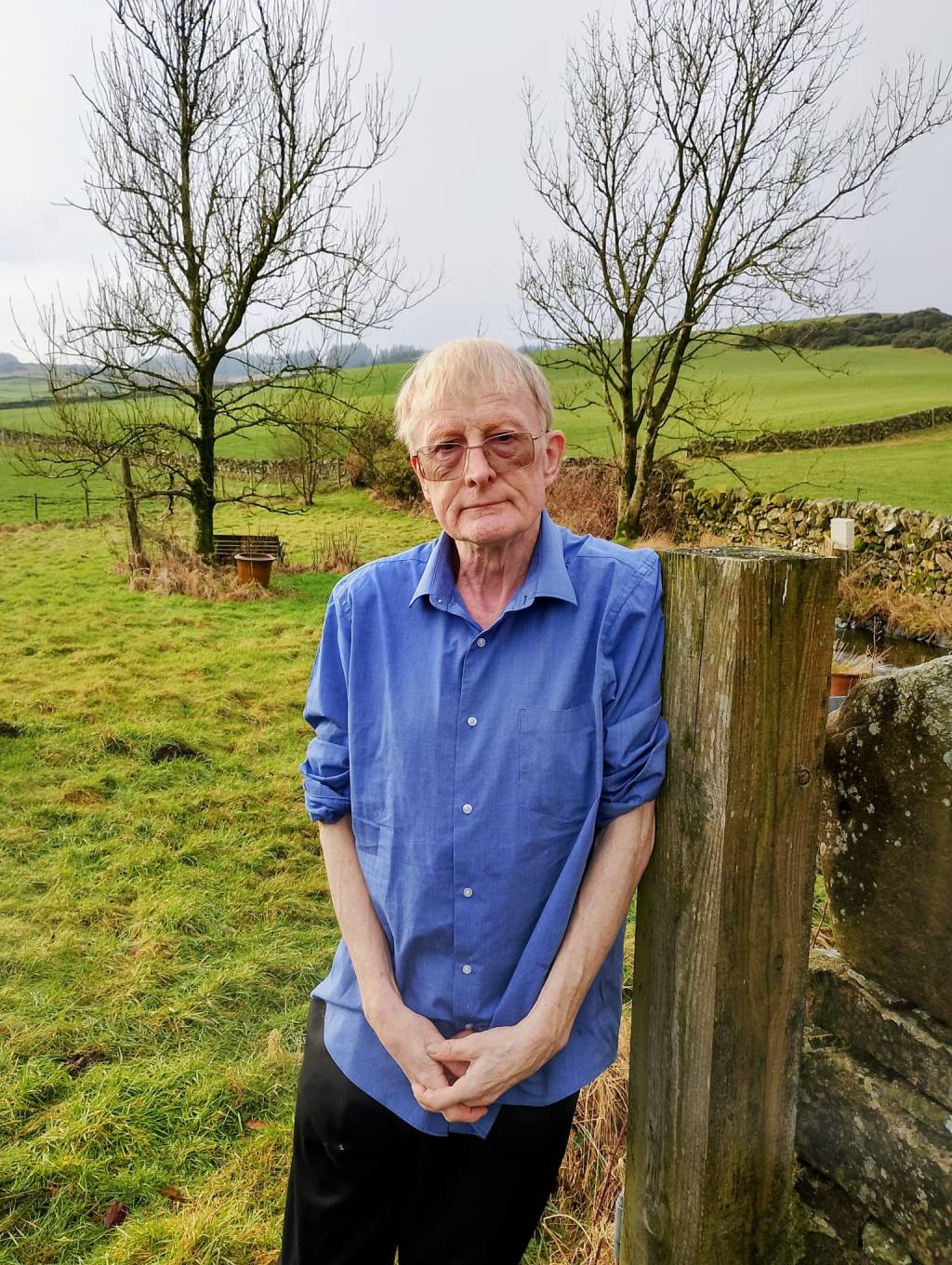
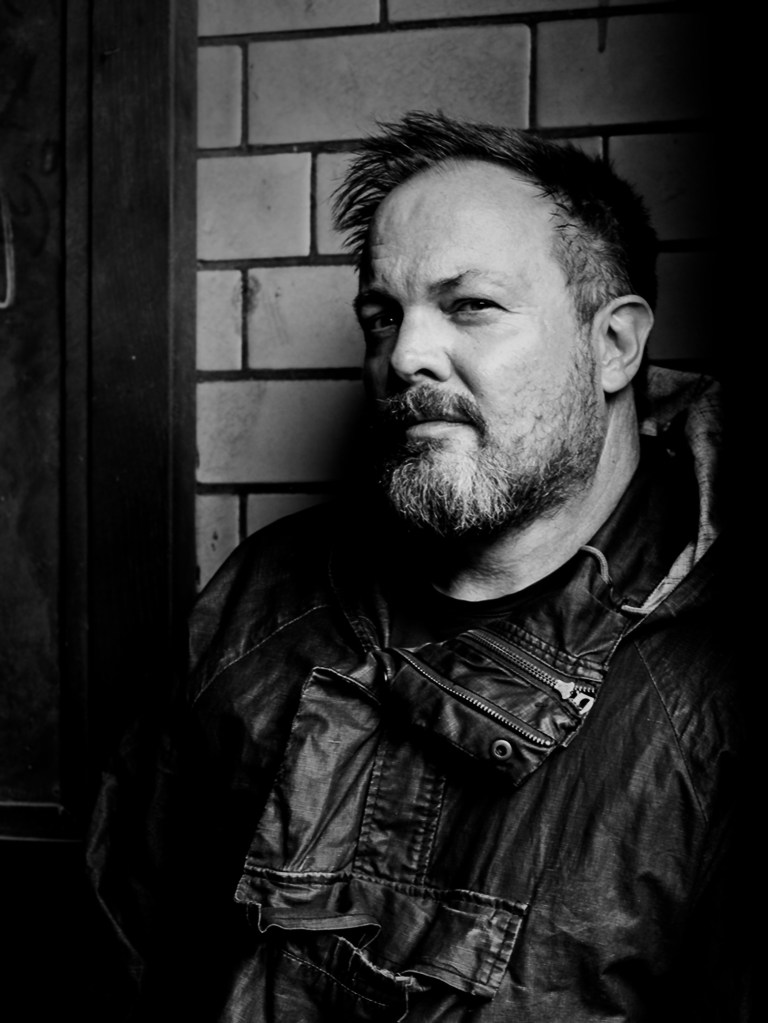
Myself, pictured here, and fellow crime writer Ian Robinson, pictured below, recently staged an ‘in-conversation with’ event at the Selkirk Arms in Kirkcudbright in Dumfries and Galloway.
The theme was ideas and we based it on a comment by Robertson Davies, Canadian novelist, playwright, and critic, who said when asked where he found his ideas: ‘My usual, perfectly honest reply is, ‘I don’t get them; they get me’.
He’s right. If an author sets out to have an idea, I can pretty much guarantee that it will not happen. The author’s mind tends to come up with the best ideas when it is least expecting it. I suspect that many ideas find their authors when the writers are walking the dog (s). That has certainly been the case with me. We have two dogs (Ivy, a Flatcoat, and Merlin, an English Setter rescued from a life of harsh treatment, since you ask) and I have lost count of how many times ideas have come to me while walking them and thinking about nothing in particular.
Examples include looking at the hills near our home in Dumfries and Galloway and being presented by my mind with the unexpected image of a passenger airliner clipping the highest summit and crashing (which became An Error of Judgement), and an undercover officer being shot in the kitchen of our hillside cottage by an assassin who waited in a copse near our home (my wife was not entirely enamoured by the thought of attempted murder most foul in our newly-decorated kitchen!) which inspired Death List.
Ideas have come from sources elsewhere as well, ranging from woodland storm damage encountered during a family walk on a summer break on the Isle of Man to a family holiday in Singapore. The ideas rarely, if ever, come perfectly formed but the crucial job they do is to get the mind working and. once that process is under way. more ideas will emerge to build into the finished work. The key thing the author’s mind does is provide the space and opportunity to let the ideas in.
My latest book The Informer came partly from my idea of a riot-turn housing estate but more by the idea of Grief Tech, the technology which allows relatives to re-create dead relatives as walking, talking avatars, an idea I find disturbing.
Ian’s latest book Paper Murder (like me, he is published by The Book Folks, a Joffe Books imprint) is the latest in the author’s popular Nash and Moretti series, set in London.
It’s an intriguing set-up – on a rain-lashed North London estate, a man is found shot through the head, hours after a jury let him walk. Two origami angels rest in his upturned palms, their heads dipped in red. No gun. No witnesses. No one on the estate willing to say a single word. Then a second body turns up in the same posture. Then a third.
DI Pippa Nash and DS Nick Moretti realise this isn’t a gangland hit. Every victim cheated justice in the same courtroom. Every victim was made to pay for it.
The Press christen the killer the Angel of Mercy, the public start calling him a hero. And he isn’t finished.
What’s more, Nash and Moretti aren’t the only ones hunting him. Some of the dead belong to a London crime family — and they mean to reach the killer first.
As ever, the fifth Nash and Moretti novel is a compelling read. It’s available on Amazon. It’s a superb read and I heartily recommend it.
 John Dean - Crime Writer
Leave a comment